
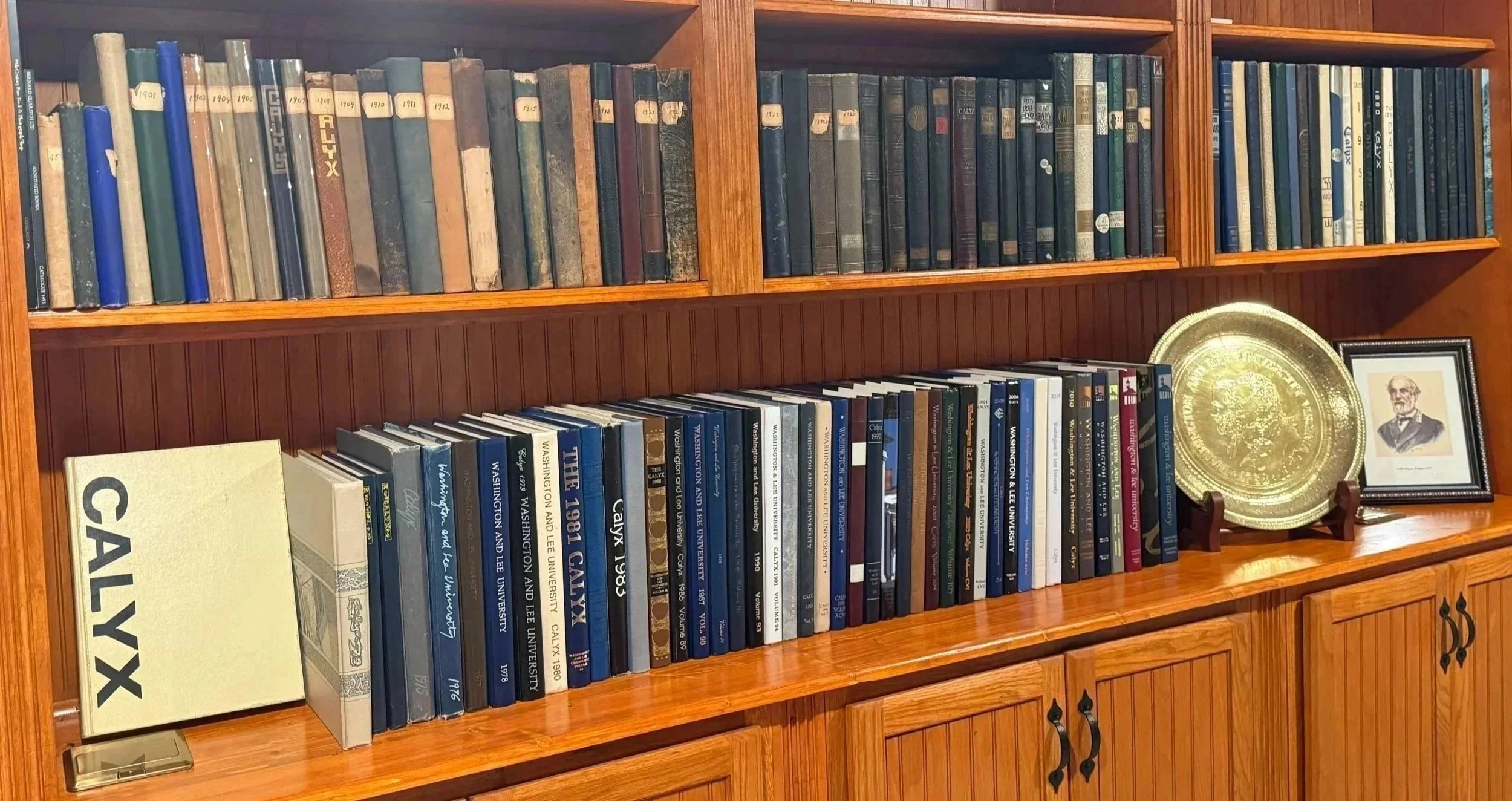
BOOKS WE’RE READING
"Adhere to history and ethical authorsof unrivalled character"
~Henry Lee III to Charles Carter Lee, Dec. 1, 1816
In the final years of his life, living in the Caribbean far from his Virginia home, General Henry Lee III found himself separated from his family and stripped of his station. What remained was the counsel of a father determined to pass on hard-earned wisdom. In a series of letters written in 1816, Lee urged his children to avoid frivolous authors and instead devote themselves to "the best poets, the best orators, and the best historians," from whom one might draw "principles of moral truth, axioms of prudence and material for conversation." Elsewhere, he encouraged the serious study of history, ethics, and those writers capable of shaping both intellect and character.
At The Generals Redoubt, we strive to follow that same counsel. Though separated from Lee by more than two centuries, we share his conviction that good books remain among the surest guides to wisdom, judgment, and virtuous citizenship. In that spirit, we are pleased to introduce "Books We're Reading," a recurring feature highlighting works that have informed our members and enriched the conversations taking place throughout the organization.
Have a suggested book for us to read or review? Have books you think would benefit Fancy Hill’s growing library? Please contact us!
We highlight three books each quarter. Past listings are featured at the bottom of the page, and are all available at Fancy Hill for guests to enjoy.
-
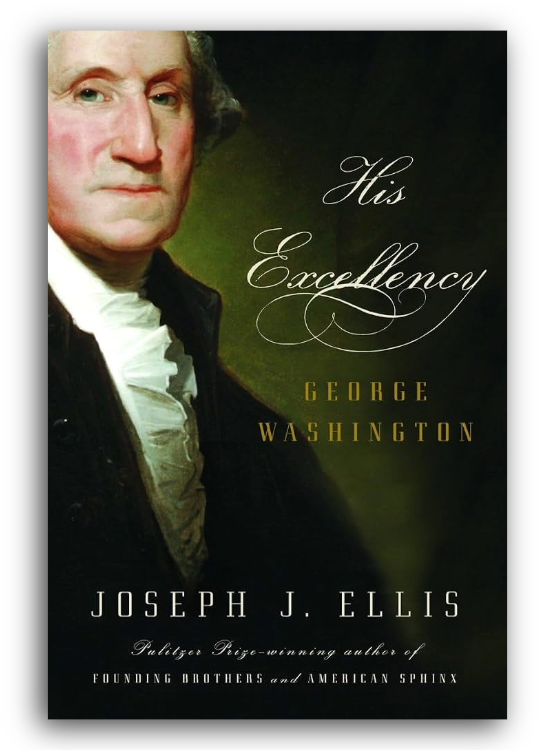
HIS EXCELLENCY: GEORGE WASHINGTON
JOSEPH J. ELLIS (2004)
Alfred A. KnopfJoseph Ellis offers an accessible portrait of Washington across the full sweep of his life — from an ambitious young military officer and Virginia planter to commander of the Continental Army, president of the Constitutional Convention, and first President of the United States.
His Excellency is admiring without becoming hagiography. Ellis considers Washington’s military mistakes, political ambitions, and slaveholding alongside the remarkable development of his character and judgment. Particular attention is given to Washington’s extraordinary capacity for self-control and his growing awareness of the historical role he occupied. The result is a Washington who is neither the flawless marble figure of legend nor a historical figure reduced to his shortcomings.
Matt Thompson ’84 recently read the biography after receiving a copy from his uncle, a fellow W&L alumnus. He particularly recommends Ellis’s effort to understand Washington within the circumstances of his own time — a useful reminder of the limitations of judging the past exclusively by the standards of the present.
-
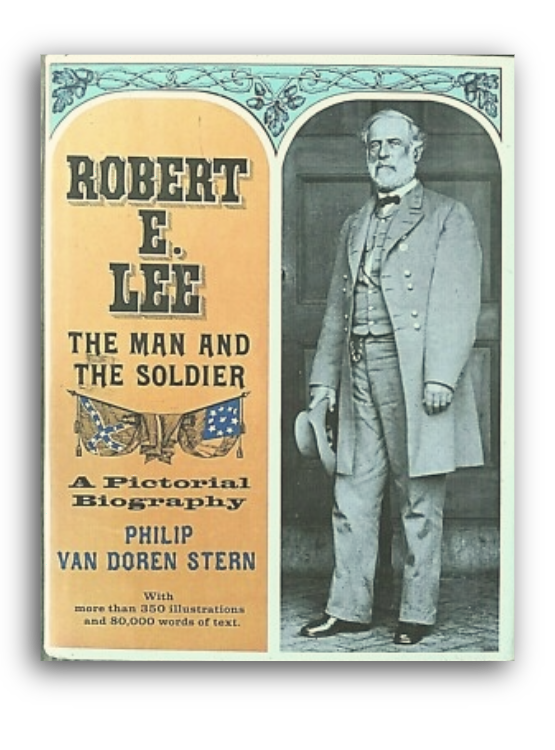
ROBERT E. LEE: THE MAN AND THE SOLIDER
PHILIP VAN DOREN STERN (1963)
Bonanza BooksPhilip Van Doren Stern’s richly illustrated biography follows Robert E. Lee from his early life and military career through the Civil War, his presidency of Washington College, and the development of his postwar reputation.
Its concluding chapter, “The Man and the Legend,” is particularly worth revisiting. Stern documents how Lee’s reputation after Appomattox extended well beyond the South. Drawing upon admirers ranging from British military authorities to Theodore Roosevelt and Union veteran Charles Francis Adams Jr., he traces Lee’s emergence as a figure of national — and eventually international — admiration. Stern ultimately argues that Lee’s postwar leadership as an educator and his personal character became as important to his reputation as his military achievements.
Garland Tucker ’69 first encountered Stern’s biography as a teenager and recently returned to it, finding its treatment of Lee’s legacy especially compelling. Lavishly illustrated throughout, the book also provides a striking visual record of how Americans remembered Lee during the decades following his death.
-
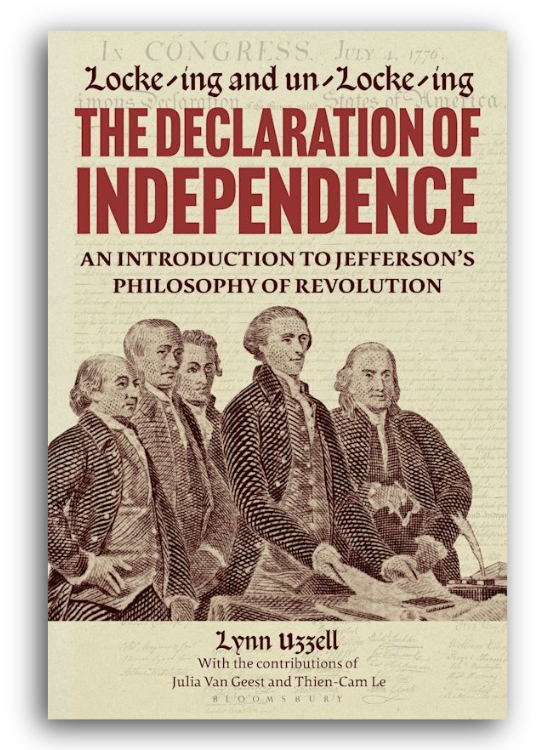
LOCKE-ING AND UN-LOCKE-ING THE DECLARATION
LYNN UZZELL (2026)
Bloomsbury AcademicLynn Uzzell leaves little room for doubt in her meticulous, line-by-line analysis of the Declaration of Independence’s second paragraph. Examining its fourteen claims within their epistemological and political context, Uzzell makes a compelling case for how Jefferson — and the Spirit of ’76 more broadly — drew upon John Locke, while identifying where the Founders charted their own course. Scholarly and erudite, the book situates the Declaration within centuries of debate over its meaning and application.
Uzzell also demonstrates what makes the Declaration remarkable: rather than merely cataloguing grievances against the Crown, it grounds the case for independence in a philosophical statement of first principles. Her treatment of Jefferson’s deleted condemnation of the slave trade and the Declaration’s later use in arguments over slavery and race is especially insightful.
Kamron Spivey ’24 studied under Uzzell at Washington and Lee, where she earned a formidable reputation for her expertise in the American Founding and the academic rigor she expected of her students. This book is demonstrative of both.
-
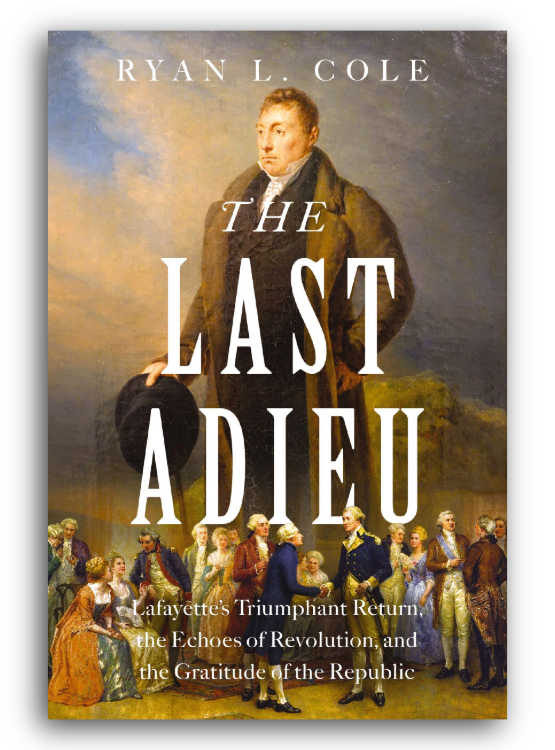
THE LAST ADIEU: LAFAYETTE’S TRI-UMPHANT RETURN
RYAN COLE (2025)
Harper HorizonNothing compares to the grand and patriotic fervor that greeted the Marquis de Lafayette’s return to America in 1824. Ryan Cole vividly recounts the aging hero’s farewell tour and reminds us why, 250 years after the Revolution began, the American founding remains worthy of celebration.
-
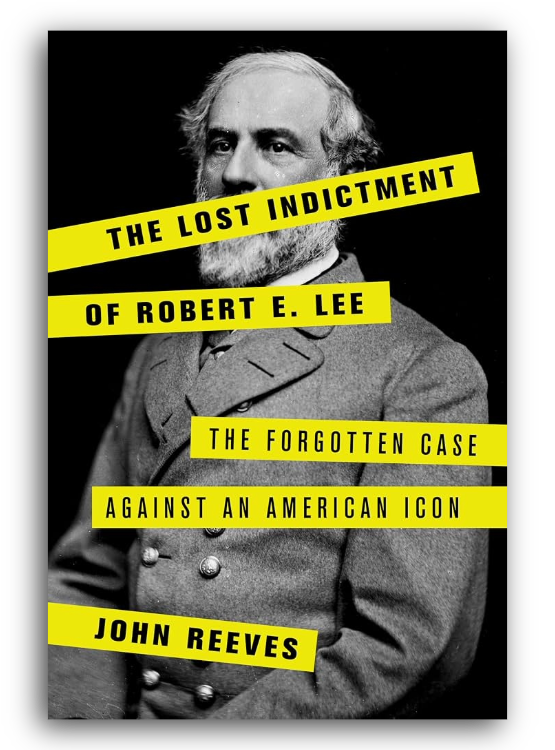
THE LOST INDICTMENT OF ROBERT E. LEE
JOHN REEVES (2018)
Rowman & Littlefield PublishersDid Robert E. Lee commit treason? John Reeves looks beyond the question to the legal and political complexities surrounding Lee’s June 7, 1865 indictment. This forgotten tale reminds us just how uncertain Lee’s fate remained when he accepted the presidency of Washington College four months later.
-
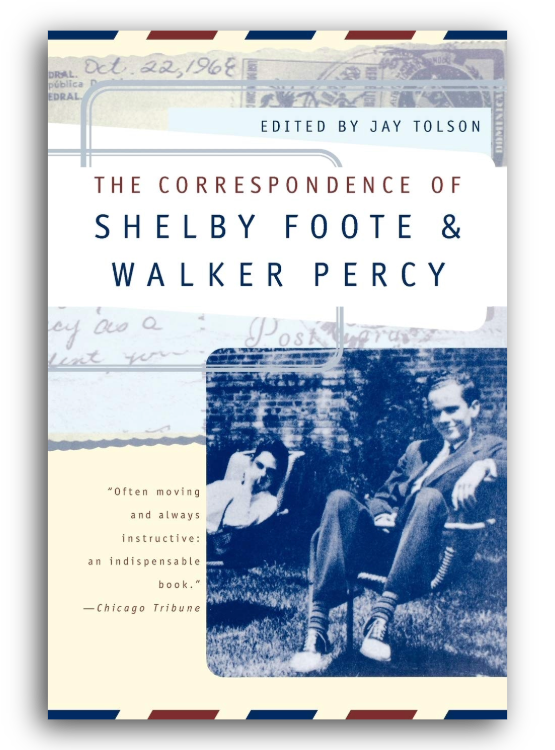
CORRESPONDENCE OF SHELBY FOOTE AND WALKER PERCY
ED. JAY TOLSON (1998)
W. W. Norton & CompanyFor more than 40 years, Shelby Foote and Walker Percy corresponded on literature, history, faith, and philosophy. By turns insightful, humorous, and deeply personal, their letters provide a telling introduction to the ideas and personalities that shaped Southern intellectual life in the 20th century.