W&L HISTORY
Interested in getting a historic tour of Washington and Lee University's campus?
Following Washington
Join us month by month as we follow George Washington’s activities and campaigns exactly 250 years ago!
In a letter to Brigadier-General Sullivan, Washington responds warmly to the retreat down to New York. He urges cautious friendship with the Canadians to aid the cause.
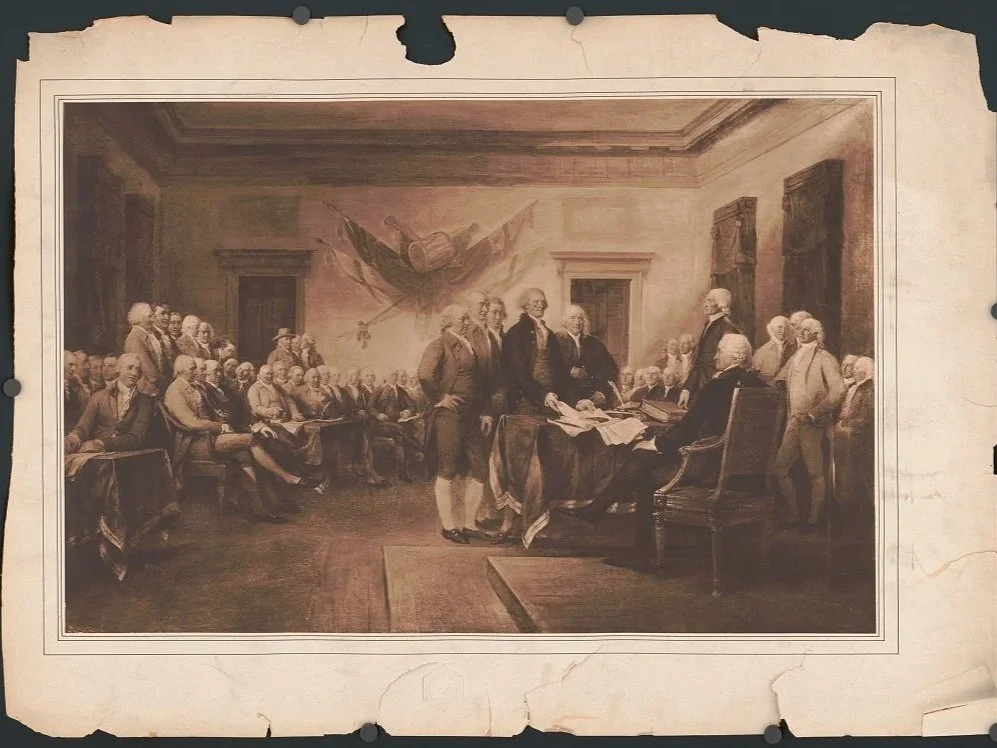
Washington shares his excitement about the Virginia Resolution of 1776 calling for independence, leading to the Lee Resolution and ultimately the Declaration of Independence. He stresses the importance of carefully forming the new government.
History Videos
Primary Sources
In a letter to Brigadier-General Sullivan, Washington responds warmly to the retreat down to New York. He urges cautious friendship with the Canadians to aid the cause.
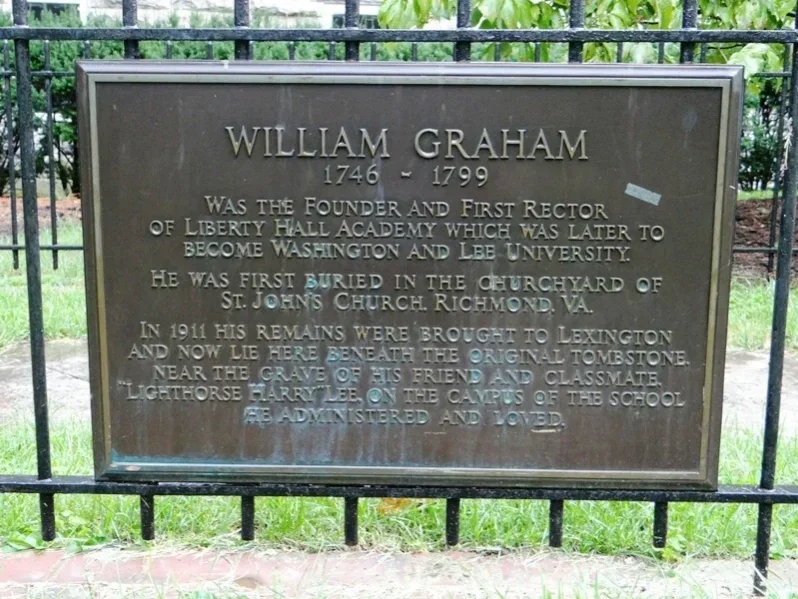
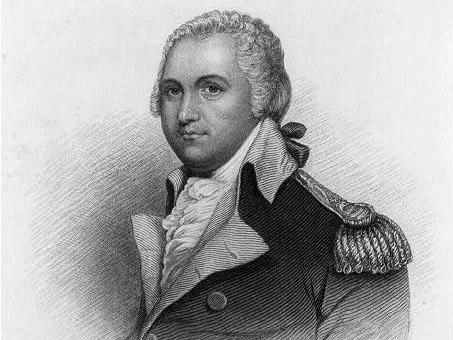
A memoir of William Graham includes a passage surrounding his time at Princeton College and his friendship with Henry “Light-Horse Harry” Lee.
Washington shares his excitement about the Virginia Resolution of 1776 calling for independence, leading to the Lee Resolution and ultimately the Declaration of Independence. He stresses the importance of carefully forming the new government.
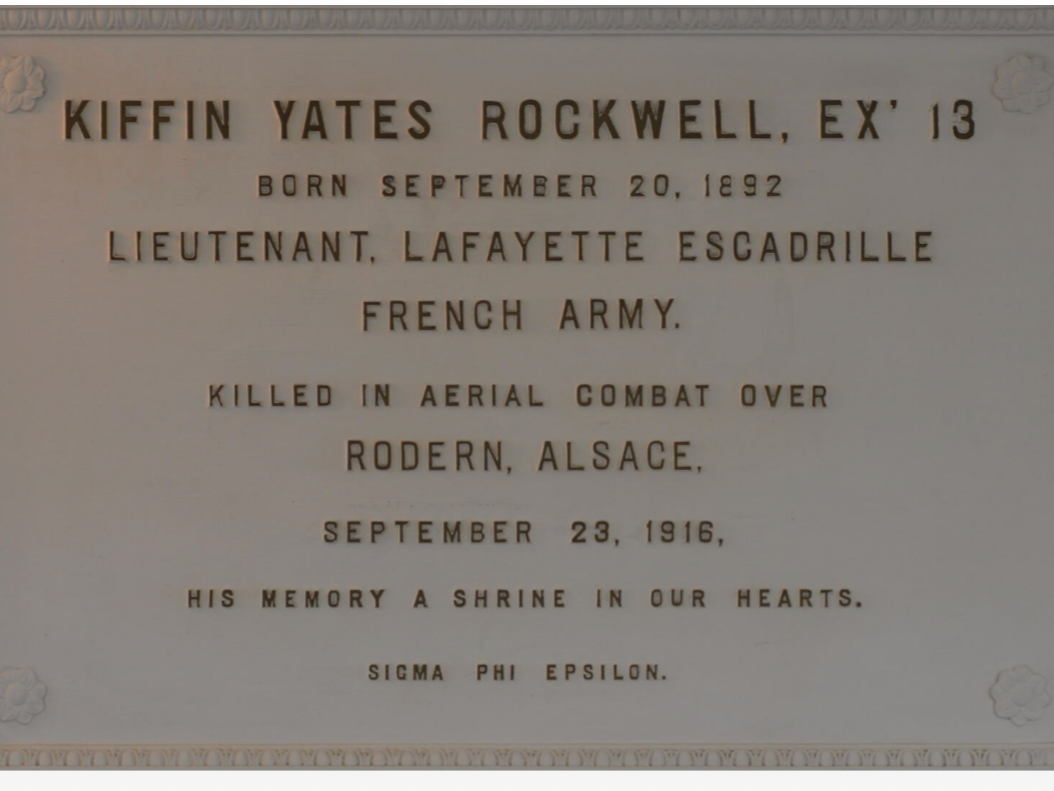
An article from the 1937 Alumni Magazine pays tribute to Kiffin Yates Rockwell, an alumnus of Washington and Lee University and American hero in World War 1.
While in exile, Henry Lee writes to his eldest son, Charles Carter, and emphasizes the importance of virtue and self-command.
Written following the death of Rev. George Baxter, this article memorializes the character and accomplishments of Washington College’s first official president.
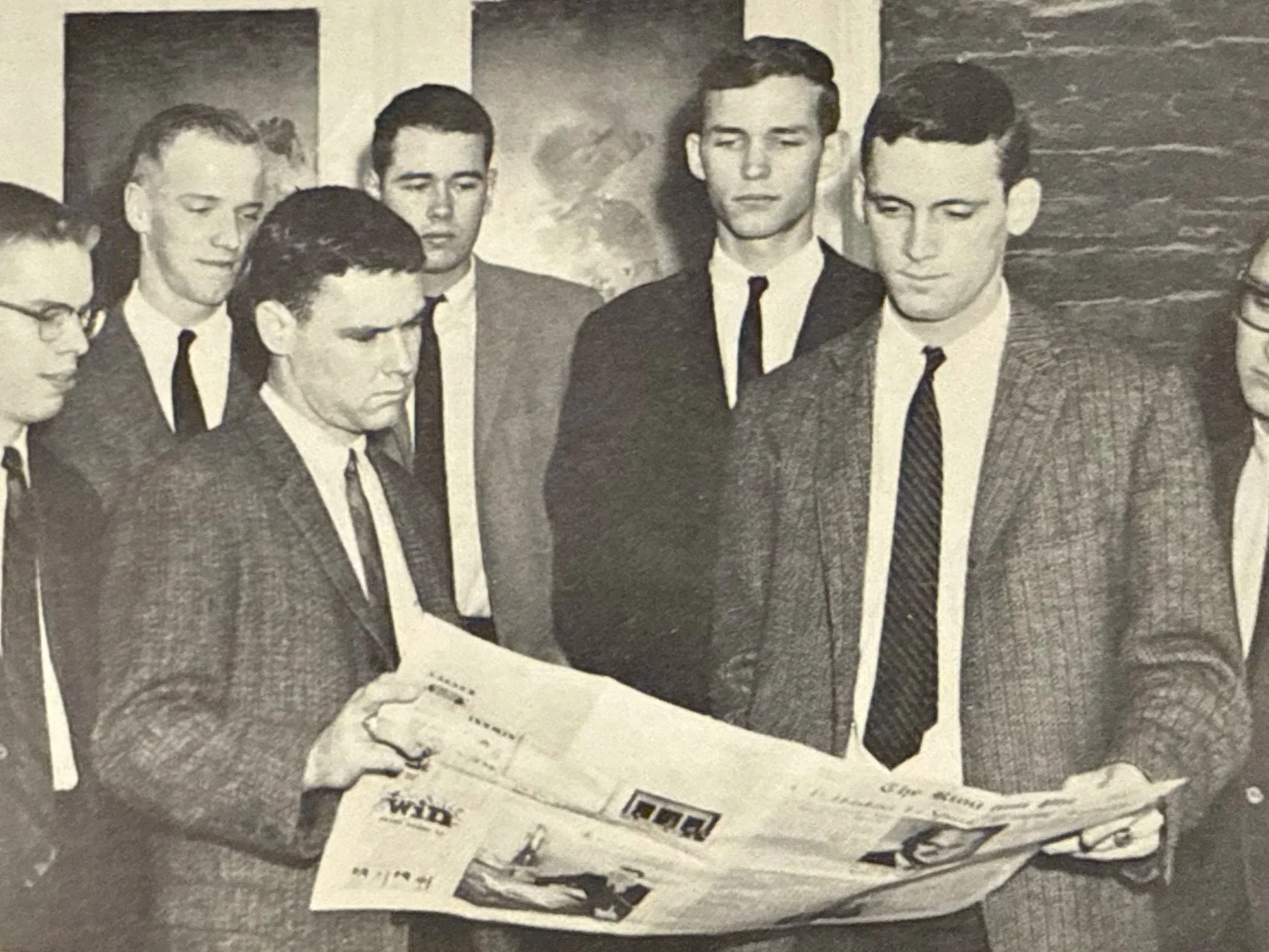
In a 1963 editorial, Ring-tum Phi editor Landon Butler argues on behalf of the Honor System against attempts to get rid of the single sanction.
This article details Southern editors’ resolve to re-establish the School of Journalism at Washington and Lee, originally established by Robert E. Lee as the nation’s first school of journalism.
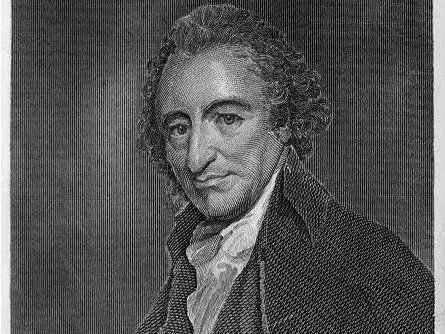
In two letters to Joseph Reed, Washington expresses his view on the impact of Common Sense as well as the danger of disunion among the independence movement.
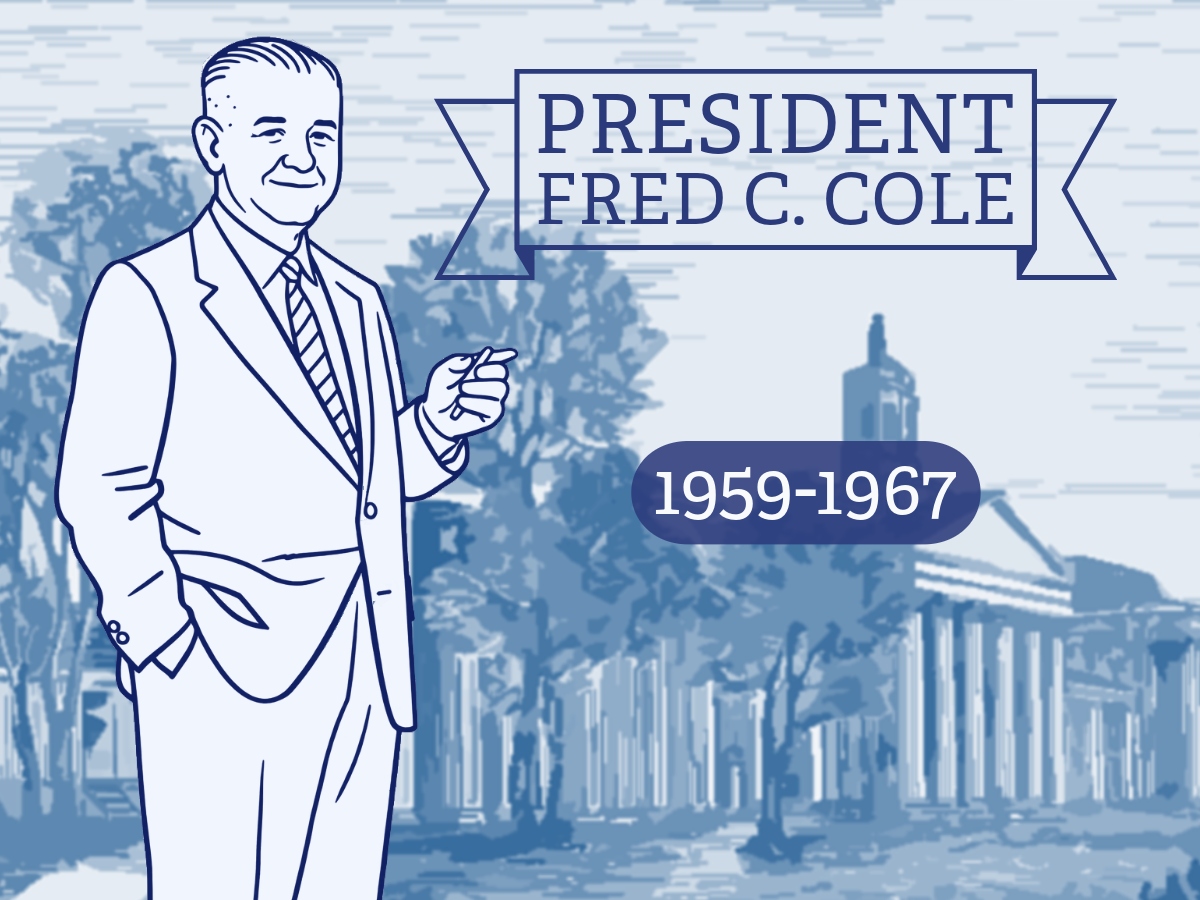
President Cole details the importance of honor in the Washington and Lee student tradition.
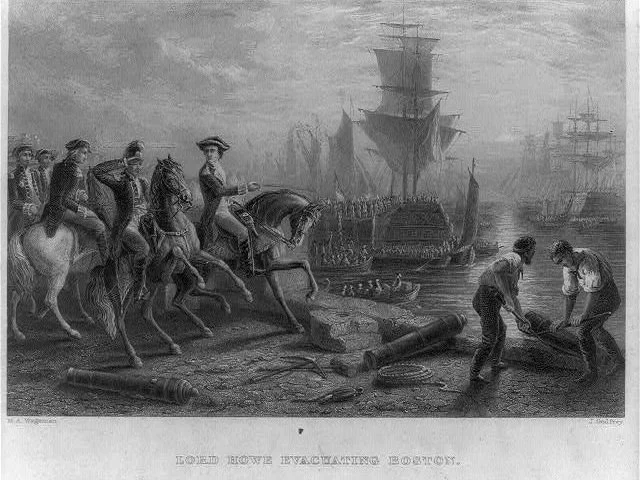
In a letter to the President of Congress, Washington recounts the evacuation of the British from Boston after he placed cannons on Dorchester Heights, ending the siege of Boston and culminating in a Continental victory.
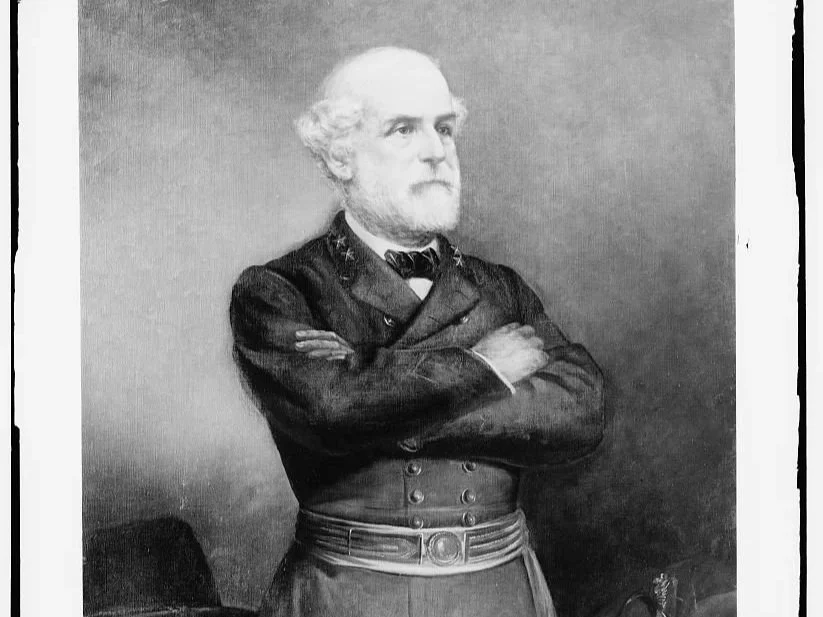
In his commencement address, President Cole highlights the accomplishments and lasting legacy of Lee’s presidency.
The 1963 Alumni Magazine describes the moving rededication ceremony of Lee Chapel and extols the lasting influence of Lee on the school.
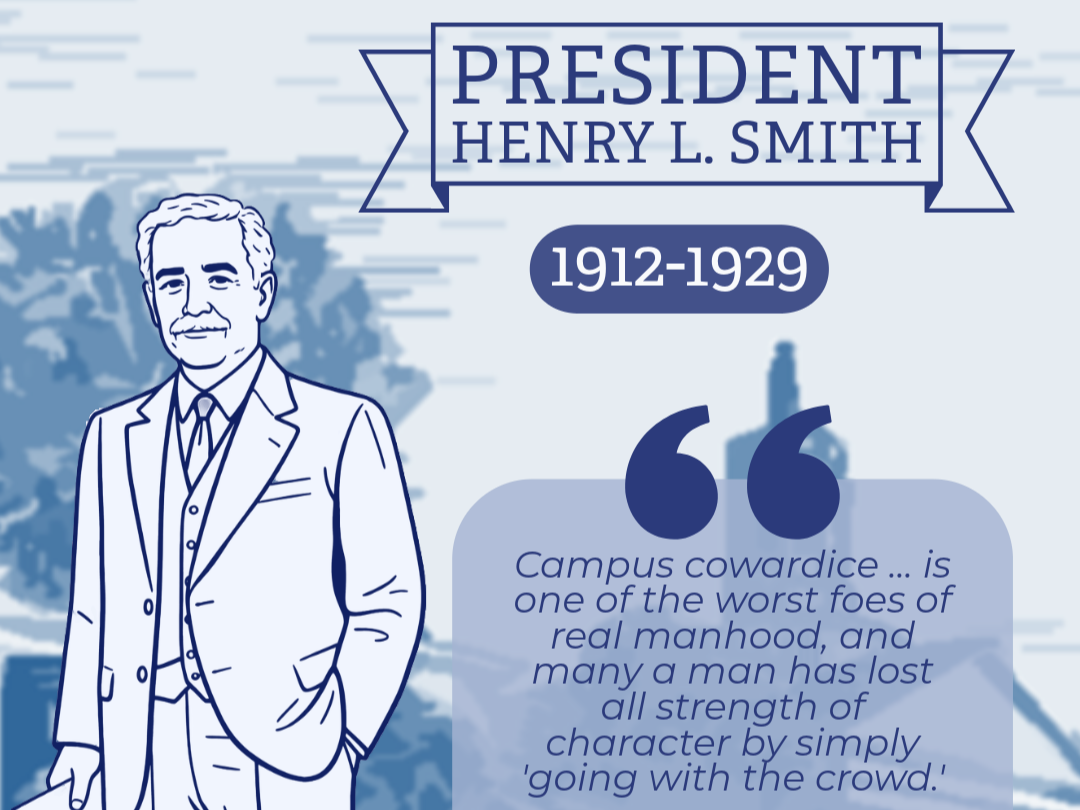
President Smith offers advice to freshmen concerning the three pillar ideals of Washington and Lee and the four greatest student foes to avoid.
In a letter to John Hancock, Washington expresses his desire for enlisted troops to remain during the Canadian Campaign.
President Huntley delivered his first commencement address the day after Senator Kennedy was assassinated. In his speech, his emphasizes the importance of remembering history and of the “good mind.”
An address offered by celebrated author, Douglas S. Freeman, on the impact Washington College had on Robert E. Lee to commemorate Founder’s Day.
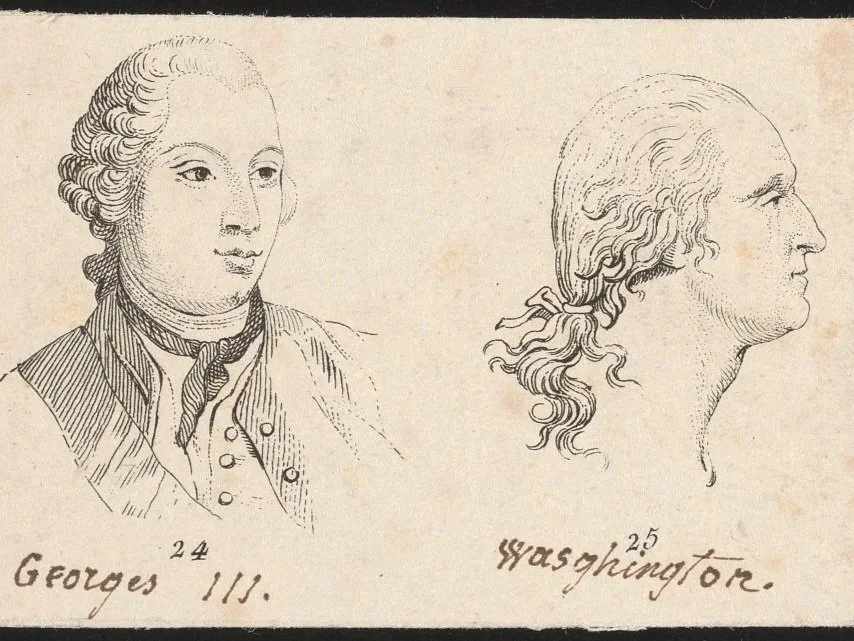
With word of King George III’s Proclamation reaching the colonies, Washington responds with strengthened determination to fight.
Two letters describe General Lee’s time with family in Lexington, Virginia after the Civil War.
As winter sets in, Washington urges the disenchanted to remember the cause of liberty and devotion to their country.
An account of the new Lee Memorial School of Journalism in the 1925 Alumni Magazine.
Featured in the 1924 Ring-tum Phi, President Smith delivers an address stressing the importance of character and honor at Washington and Lee.
A letter printed in the 1928 W&L Alumni Magazine details a young boy’s recollected encounters with General Lee.
News of Benedict Arnold’s success in Canada reaches Washington while Congress authorizes the establishment of the Continental Marines.
The 1921 Ring-tum Phi recounts a moving service held in Lee Chapel to commemorate Armistice Day.
In a letter to the Washington and Lee University Southern Collegian, William Preston Johnston laments the post-war state of the South. He stresses the importance of alumni patronage and urges Washington and Lee alumni to devote their resources to aid the school.
Col. Arnold and Gen. Schuyler led Continental soldiers in Canada while Washington digs in at Boston for the winter.
The 1925 W&L Alumni Magazine describes Lee Chapel’s popularity.
As Washington waits out the British in the Siege of Boston, he authorizes more troops to join Col. Benedict Arnold’s invasion of Canada.
In his diary, Washington details his visits to and the work of his plantations.